

Gold vs Platinum for Engagement Rings: Pros, Cons, and Care
Gold and platinum are both excellent metals for fine jewelry, and both will last a lifetime (and beyond) with reasonable care.You can keep your gold and platinum jewelry looking as good as new for as long as you own them by cleaning at home and occasional polishing by a jeweler, and plating (needed for white gold only).
There isn’t one best choice of metal for every person or type of jewelry. They have many similarities, and some differences. This article is intended to help you make your decision.
Choosing the metal for an engagement ring affects the price, how the center stone looks, how the ring feels on the hand, what upkeep you’ll need, and how to care for it over decades. We design and make rings every day in both gold and platinum for clients here in Greenville, South Carolina, and we’ve learned that the right answer rarely comes from one feature, or price alone. It’s about style, lifestyle, skin sensitivity, and how you want the ring to wear over time.
Quick Summary
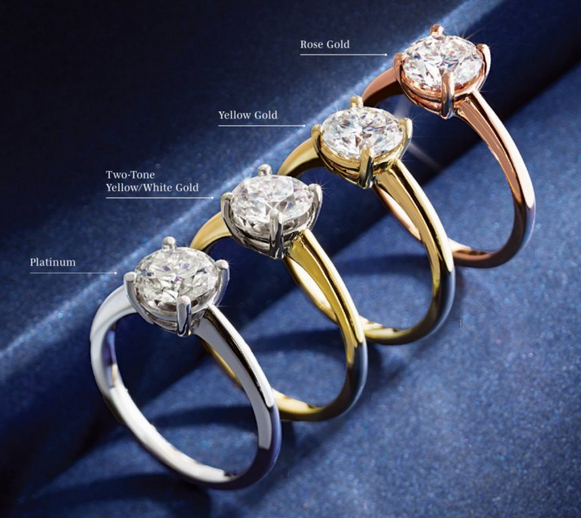
- If you want the yellow color of gold, your typical choices are 10k, 14k or 14k yellow gold. The “k” stands for “karat” (not to be confused with diamond “carats”). The karat designation refers to the percentage of pure gold. Gold is soft, so it is mixed with other metals for strength and other properties. A karat is equal to 1/24th, so 10 karat gold is 10 parts gold out of 24 parts, which is 41.7% gold. 14 karat gold is 58.3% and 18 karat gold is 75%. Jewelry made with 10k and 14k yellow gold look very similar, while 18k yellow gold has a slightly darker gold color. The lower karat values cost less, because they contain less gold. Yellow gold is a timeless classic metal, with 14 k being the most familiar.
- Another gold option is “white gold” (actually silver-colored). White gold is produced when gold is mixed with other metals that give it a color with only a very slight gold tint. White gold is traditionally plated with rhodium, another precious metal that has a very bright, shiny finish. White gold comes in 10k, 14k, and 18k options, like yellow gold. These all look identical because the rhodium plating covers the surface of the metal. If the plating wears thin with use, it can easily be reapplied by a local jeweler.
- Rose gold is yet another gold option. Rose gold is produced by mixing gold with metals that give it more a rose colored tint.
- Platinum is known as a “white” metal. It is usually 90% or 95% platinum, mixed with ruthenium or cobalt for strength and other properties. Platinum is strong and durable, but it scratches easily. The scratches can be removed by polishing to make your jewelry look like new. Platinum doesn’t tarnish (turn brown) like silver, but it does develop a slightly grayish look, called a “patina”. If you prefer the bright look, polishing will also remove the patina, to make platinum jewelry look like new.
- It’s also possible to combine yellow gold with white gold or platinum. This is often done to set diamonds in the white metal and use the yellow gold in the band. White metal tends to show less yellow in the diamonds than yellow or rose gold.
Below is a more detailed way to compare gold and platinum, along with clear tips on care and ideas from our bench that can help you choose a metal you’ll love living with.
Comparing Gold and Platinum in Depth
| Feature | Gold (14K or 18K) | Platinum (PT950 or PT900) |
|---|---|---|
| Color | Yellow, rose, or white (white is an alloy, usually rhodium plated) | Naturally bright white, no plating needed |
| Weight on hand | Lighter feel | Heavier, more substantial feel |
| Scratch behavior | Scratches remove metal, can be polished back to a mirror shine | Scratches displace metal and form a soft gray patina |
| Prong wear | Can thin with years of wear, may need re‑tipping | Stays thicker longer, excellent for long‑term stone security |
| Allergy risk | Some white gold contains nickel, yellow and rose 18K are typically skin‑safe | Considered hypoallergenic in most alloys |
| Price of setting | Lower material cost than platinum | Often 20–30% higher for the same design |
| Bright white color | Achieved by rhodium plating, needs periodic renewal | Native white, no plating needed |
| Best for details | Crisp engraving and very fine details and pavé are often easier in gold | Strong for clean, heavy, or high‑polish designs |
Both metals can make heirloom‑quality rings. The better fit comes from how these traits line up with your priorities.
How each metal looks with your diamond or gemstone
If you’re choosing a colorless or near‑colorless diamond, a white metal setting (platinum or white gold) helps the stone look its brightest by keeping the overall palette cool. Many clients who select diamonds graded D through J prefer platinum or white gold for that reason.
Warm metal can be beautiful too. Yellow or rose gold frames a diamond with a vintage glow and often flatters diamonds that carry a hint of warmth. Antique cuts, champagne diamonds, and colored stones like peach sapphire or salt‑and‑pepper diamonds often come alive in yellow or rose.
White gold gets its bright, icy look from rhodium plating. Over time that plating wears and will need a quick refresh from your jeweler. Platinum is natively white and stays that way.
Trends ebb and flow, but we continue to see strong interest in:
- Yellow gold solitaires and two‑tone rings
- Platinum settings for larger center stones
- Rose gold in vintage‑inspired halos
- Mixed metal designs where prongs are platinum and the shank is yellow or rose gold
Feel on the hand: weight and comfort
Platinum is denser than gold, so a platinum ring of the same design will feel heavier. Many people love that substantial feel. Others prefer the lighter touch of a gold ring, especially in wider bands.
Either way, comfort comes from thoughtful finishing. We round inside edges, polish contact points, and check balance so the ring sits where it should. If you’re sensitive to weight, we can prototype a design and let you feel both metals during an appointment.
Durability and stone security
Both metals are durable enough for daily wear, but they behave differently as they age:
- Platinum displaces rather than loses metal when scratched, slowly developing a soft gray patina. Prongs in platinum tend to hold their shape and thickness longer, which helps keep the center stone secure over decades.
- Gold alloys are harder in a technical sense and resist small nicks well, but scratches remove a little metal each time. Prongs can wear down and may need re‑tipping years down the road.
Delicate pavé and micro‑details are often crisper in gold. Heirloom‑style solitaires or rings with a larger center stone that you want locked in place for generations often benefit from platinum prongs or an all‑platinum head.
A popular compromise is a mixed build: platinum head and prongs for security, gold shank for the look you love and easier maintenance.
Skin sensitivity and metal purity
If your skin reacts to jewelry, this section matters. Platinum alloys are usually 90–95% pure platinum with no nickel, and they are widely viewed as a safe choice for sensitive skin.
Gold is mixed with other metals (alloyed) to make it 14K or 18K. High‑karat yellow and rose (18K) are typically well tolerated. White gold sometimes includes nickel, although nickel has been eliminated from many products. The rhodium plating that gives white gold a bright finish is also hypoallergenic. It will eventually wear thin in some places, and it can easily be re-applied by a local jeweler to make white gold jewelry look like new.
Price and long‑term value
Material cost and density affect price. A platinum version of the same ring usually costs more because it uses more metal and the metal is priced higher per gram. Plan on roughly 20–30% more for platinum in many settings.
Both metals carry intrinsic value. Gold is a classic store of value. Platinum is rarer by annual mining volume, though market prices can be more volatile. For most clients, the value decision comes down to upkeep and wear. If you prefer a bright white color that never needs plating and extra security in the prongs, platinum’s premium can be worth it. If you love the tone of yellow or rose, or you want the design flexibility of white gold, gold wins on feel and price.
14K vs 18K gold: which to pick
Both are excellent in the right situation:
- 14K gold is a bit tougher and more budget friendly. Good for active lifestyles and very fine pavé work.
- 18K gold has a richer color in yellow and rose, and a slightly softer, more luxurious feel. A favorite for classic solitaires and clean bands.
White gold in either karat achieves its bright tone with rhodium plating. Plan to refresh that plating periodically to keep the cool white look.
Care and maintenance you can trust
You can keep either metal looking beautiful with a few simple habits.
Daily habits
- Remove rings before household cleaning, swimming in chlorinated pools, or heavy workouts.
- Wipe your ring with a soft, lint‑free cloth at the end of the day to remove oils and lotions.
- Store pieces in individual pouches or compartments to prevent scratches.
Home cleaning routine, step by step
- Mix warm water with a drop of mild, ammonia‑free dish soap.
- Soak for 10–15 minutes.
- Brush gently with a very soft toothbrush, especially under the stone and along prongs.
- Rinse thoroughly and pat dry with a microfiber cloth.
- Finish with a jewelry polishing cloth for the metal surface.
Professional service timeline
- Every 6–12 months: free inspection and cleaning by appointment. We check prongs, tighten stones, and refresh the finish.
- White gold: rhodium re‑plating as needed. Many clients choose every 8–12 months for a bright white finish.
- Polishing: as needed, knowing that polishing removes a tiny amount of metal. We take a conservative approach to preserve the life of your ring.
What to avoid
- Bleach, chlorine, and harsh cleaning chemicals
- Abrasive cleaners or toothpaste
- Hard knocks, barbell knurling, and yard tools. Slip your ring into a pouch before the gym or projects.
Storage tips
- Dry your ring completely before putting it away.
- Use a soft flannel pouch or a lined box.
- For travel, pack rings separately so metal and stones don’t rub.
Design moves that split the difference
Mixed metal builds are one of our favorite tools. They combine looks and performance in smart ways.
Three shop‑tested options
- Platinum head on a yellow or rose gold shank. Strong prongs with the warmth you want on the finger.
- Two‑tone cathedral. White gold basket under the stone to keep the diamond bright, paired with a yellow gold band.
- Platinum for pavé‑heavy halos and eternity rows that benefit from long‑term stability, with a gold center shank for comfort and style.
We’ve built popular pieces like KI‑115024‑W and Cherie KI‑115182‑W both ways for local clients. We can also remount heirloom stones into a new platinum head or re‑create a vintage look in 18K yellow gold. Love emerald cuts? A cool white metal can emphasize their crisp steps, while yellow gold creates a classic Art Deco vibe. If you’re reworking an inherited ring, we can keep the original gold for sentiment and use a platinum head for day‑to‑day security.
Lifestyle snapshots to guide your choice
- Active, hands‑on schedule: Consider 14K white gold or platinum. If you lift weights or work with tools, choose rounded profiles and a platinum head for the center stone.
- Sensitive skin: Platinum or nickel‑free white gold alloys. Or choose 18K yellow or rose if you prefer warm tones.
- Vintage aesthetics: 18K yellow or rose gold highlights antique cuts and milgrain. Platinum is perfect for crisp, hand‑engraved filigree with longevity.
- Large center stone: Platinum prongs or an all‑platinum head for long‑term security, even if the band is gold.
- Bright white look with minimal upkeep: Platinum. No plating, keeps its color, develops a soft patina you can either embrace or polish out.
How the metal impacts sizing and comfort
Both metals resize well in experienced hands. Platinum requires higher heat and skill, so plan a little extra time. We build with future sizing in mind by leaving clean sizing areas and thoughtful thickness. Comfort fit interiors help with airflow under the band and reduce the feeling of tightness during warm months.
Budget notes without the guesswork
A few examples we see often in Greenville:
- Classic solitaire, 6‑prong, 2 mm band: 18K yellow gold is the most budget friendly, white gold modestly higher due to plating, platinum higher still. Many clients pair 18K yellow gold with a platinum head to land between look and price.
- Hidden halo with pavé shank: white gold holds detail well and keeps the budget tight. Platinum shines when you want heavier prongs and extra longevity around many small stones.
- Custom engraved band: platinum for clean, enduring edges, or 18K yellow gold for a warmer, old‑world finish.
We price designs transparently, and because we run by appointment and design in house, our custom builds are often up to 30% less than traditional retail while using top metals and bench practices.
Care checklist you can screenshot
- Take the ring off for cleaning chemicals, swimming, and heavy lifting
- Clean monthly at home with mild soap and a soft brush
- Inspect every 6–12 months in our studio
- Re‑plate white gold when the color softens
- Store in a soft pouch, one piece per compartment
Common questions we hear
Does platinum scratch?
- Yes, but the scratches shift metal rather than remove it. That’s why platinum develops a soft patina. It can be polished to a bright shine anytime.
Will white gold turn yellow?
- The base alloy has a slight warm tone. Rhodium plating gives it a bright white look. When plating wears, you’ll notice warmth and can re‑plate quickly to restore the color.
Can platinum be resized?
- Absolutely. It requires experience and the right torches and solders. We handle platinum work in house.
Is 18K too soft for everyday wear?
- Not at all when designed well. 18K yellow and rose wear beautifully. For very fine pavé or hard use, 14K can be a smart pick.
How do I clean my ring safely at home?
- Mild dish soap in warm water, soft brush, rinse, and dry. Skip abrasives and strong chemicals.
How we help you pick with confidence
We work by appointment so you have our attention from the first sketch to the final polish. Bring inspiration photos, a family stone, or just ideas. We’ll:
- Compare gold and platinum samples in person so you can see color and feel weight
- Create free photo‑realistic renderings of your design in both metals
- Price out options side by side, including mixed builds, with no deposit required
- Source diamonds and gemstones from a network that covers roughly 80% of global supply, often within a day
- Stand behind the finished ring with our make‑it‑right guarantee
If you’re local to Greenville, stop in and try KI‑115024‑W, Cherie KI‑115182‑W, and other settings in different metals. If you’re thinking beyond rings, we also build wedding bands, diamond studs, Add‑a‑Diamond bracelets, and 3 ct pavé bracelets, plus custom remounts including Art Deco styles. Everything we do is one‑to‑one, transparent, and tuned to how you live.
Ready to talk metal, stone, and style at the same table? Book a time that works for you, and we’ll design an engagement ring that looks the way you imagined and wears the way you need.